
Kickback is a central risk in chainsaw use, and a chain brake is one element of the saw's risk-control system. A retailer should not reduce either topic to a badge reading “safe” or “anti-kickback.” For an importer, the practical work is to confirm the exact brake mechanism, compatible cutting equipment, instructions and evidence for the market where the saw will be sold.
This article is intended for B2B product teams planning an electric-chainsaw range. It is not an operating manual or safety training. Chain-saw users need the approved model instructions, appropriate protective equipment and competent work practices. A brake does not prevent all injuries or substitute for controlled cutting technique.
Understand the customer question
Customers may ask whether a saw has a chain brake, whether it responds automatically, or whether a particular bar and chain reduce kickback tendency. These are not identical claims. Product managers should clarify exactly which feature is present on the quoted model and what the manufacturer has substantiated.
Kickback can occur when the moving chain, especially near the upper tip of the guide bar, contacts an object or is pinched in certain circumstances. The response can be rapid. A chain brake may stop the chain when activated under specified conditions, but the result depends on the design and event. Avoid a blanket claim that the brake “eliminates kickback.”
STIHL's chain-saw instruction material is a primary example of how a manufacturer describes controls and warnings for its own saws. ToolViron buyers must obtain the instructions and assessment for the actual model being sourced; a third-party manual cannot validate a different product.
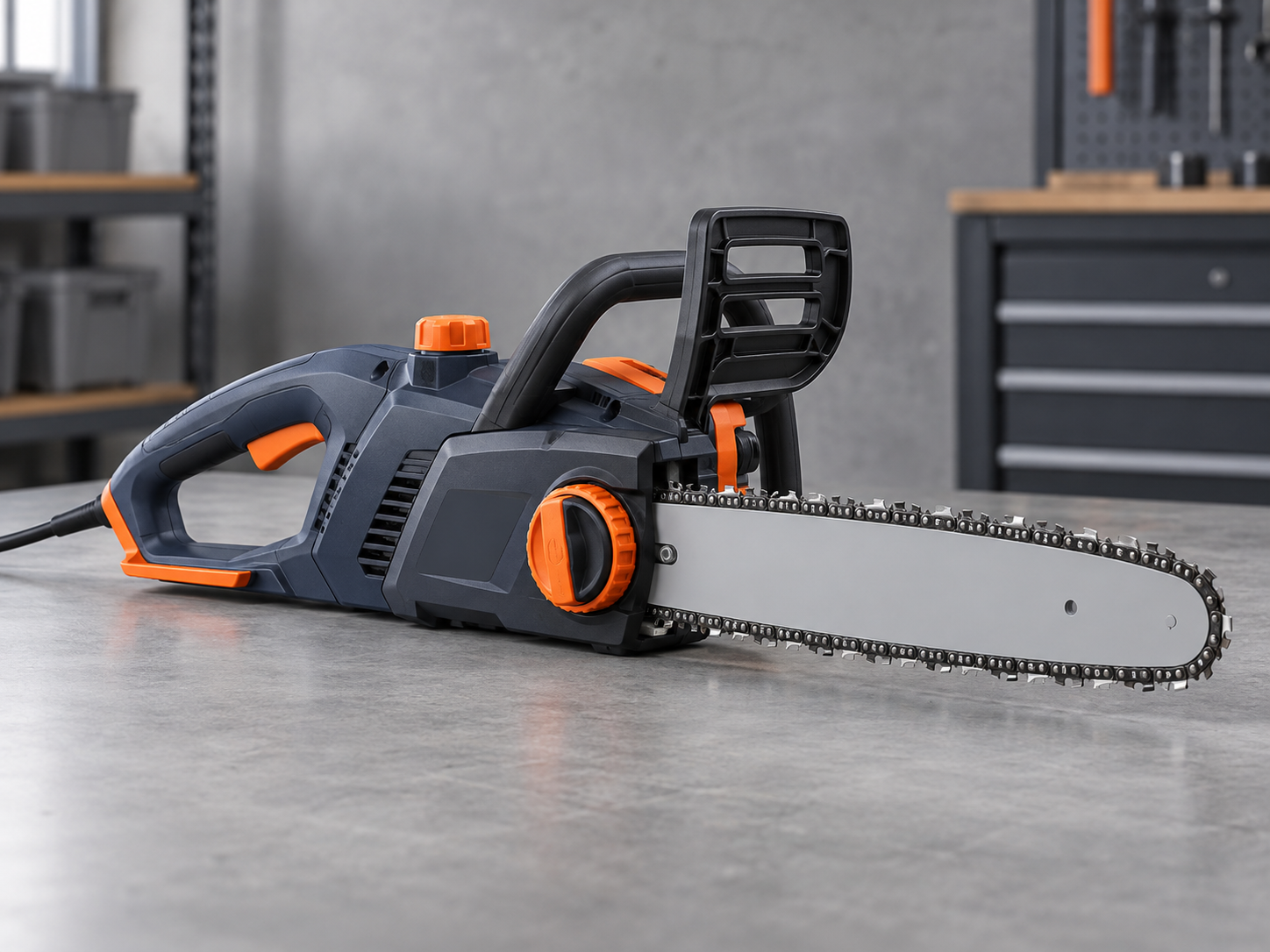
Caption: Product images should show the actual guard and brake configuration of the quoted saw.
Inspect the front hand guard and brake function
Ask the supplier to identify the brake actuation method, including any manual and inertial operation claimed for the model. Review a physical sample with the correct bar and chain installed, following the manufacturer's safe test procedure. The front hand guard should be accessible and should not be a merely cosmetic shield in marketing copy.
Record what the sample demonstrates, what formal testing or conformity evidence supports the claimed function, and what is still to be verified. An informal demonstration in a meeting is not a substitute for testing against applicable requirements. The compliance route depends on destination market, product classification and current law; use a qualified reviewer where needed.
The manual should explain pre-use checks and what to do if the brake does not function as expected. Retail content should direct users to that manual rather than publishing a simplified procedure that could conflict with the approved design.
Review bar and chain claims separately
A low-kickback chain or reduced-kickback bar is a specific product claim, not a visual impression. Ask for the exact component identification and evidence behind the designation. Bar length alone does not determine chain behaviour. Pitch, gauge, drive-link count, cutter design and compatibility with the drive system all matter.
STIHL's guide-bar information illustrates how a manufacturer controls compatibility within its range. An importer should maintain its own approved bar-and-chain list for every electric saw SKU. If a replacement chain changes the cutting configuration, reassess the claims before continuing to use the same packaging language.
The chain-tensioning guide addresses another maintenance task that affects safe operation. A retailer should not market a brake as a reason to ignore tension, lubrication or regular inspection.
Make retail claims precise
Use statements such as “front hand guard and chain brake included” only if that is true of the approved model. Specify any tested feature in its exact terms. Avoid “kickback-proof,” “injury-proof” or “safe for beginners.” Those claims are overbroad and can create false confidence. A photograph of an operator cutting above shoulder height would also undermine a careful safety message; application imagery needs review.
Provide a concise warning that chainsaw use requires attention to kickback, correct work method and protective equipment, with a link or reference to the product manual. Retail copy can be useful without attempting to rewrite a full safety guide. The ToolViron electric-chainsaw product page should lead to model-specific details before purchase.
Mid-article sourcing CTA: Reviewing a private-label chainsaw range? Send your target market and required brake features so the exact sample and documentation can be checked.
Add brake checks to approval and shipment controls
At sample approval, record the saw model, brake mechanism, bar and chain IDs, manual revision and supporting test documents. Check the function only through the manufacturer's approved procedure. Take photographs of the actual assembled sample and packaging. If a feature varies across SKUs, mark that clearly in the buyer specification.
During factory production and shipment inspection, confirm the brake assembly and hand guard match the approved bill of materials. A short functional check may be part of quality control where defined, but it cannot replace design validation. Keep records that link inspected units or batches to the approved configuration.
If the supplier proposes a component substitution, treat it as a controlled change. A different guard, spring, linkage, chain or bar can affect the system. The commercial temptation to accept a “same appearance” part should be resisted until its impact is reviewed.
Prepare service and education material
Customer support should know how to direct owners to the correct manual and qualified service process. Do not advise a customer to disassemble a brake through a generic email. Maintain service part identifiers for the approved mechanism where repair is permitted and feasible. Decide how to handle a reported brake fault, including quarantine or return procedures according to the importer’s obligations.
Training materials for retailers can focus on questions: which model has which brake feature, where the manual is, what bar-and-chain set is approved, and what the seller should not promise. This is more valuable than an unexplained “safety features” icon.
Review the evidence behind each safety phrase
Create a claim table before packaging is printed. One column states the exact phrase proposed by marketing; the second names the component or test record supporting it; the third names the model revisions to which it applies. A phrase without a clear evidence row should be rewritten or removed. This process prevents a feature from a higher-specification saw being applied to the entire range.
The table should distinguish the hand guard, chain brake, chain type and bar design. These components interact but are not synonyms. Ask whether a claimed automatic response is supported by the relevant test method for the destination market. An informal video of a brake being activated by hand demonstrates only that particular action, not every dynamic event.
Review translated versions of the claim with a technically competent reader. Words such as “prevents,” “reduces” and “stops” can carry different implications, and a translation may unintentionally strengthen a cautious English statement into a guarantee. The manual, product page and retail box should be consistent.
Include an escalation path for field reports
A customer report of a brake that failed to engage needs prompt, controlled handling. Support staff should ask for model and batch details, avoid asking the customer to repeat a hazardous event, and direct them to stop use pending qualified assessment. Keep the original complaint, photos and service findings together. If similar reports cluster by batch, the importer may need to investigate a wider product issue under its market obligations.
This response is different from an ordinary consumable question. A dull chain may be replaced according to the approved procedure; a suspected brake fault can affect continued use of the tool. Train retailers to recognise the distinction and refer the matter to the right person instead of issuing a generic troubleshooting script.
The service record should connect back to the approved sample and production revision. If the factory changed a spring, linkage or cover, ask whether the reported saw contains that component. Traceability turns a vague field complaint into evidence that can guide a responsible decision.
Use training material that does not overpromise
A sales training page can explain that a brake is one part of a larger safety approach. It should direct users to the approved manual for pre-use checks and safe technique, and distinguish protective equipment from mechanical safeguards. A retailer should not tell a customer that a brake makes one-handed or overhead cutting acceptable. Product images and social media posts need the same review as the formal catalogue.
If the channel has several saw models, create a feature comparison based on verified details. Note which model has which brake mechanism, bar-and-chain configuration and documentation revision. Avoid using the word “automatic” across the row unless every listed model has the substantiated function. A model-specific feature matrix is more useful than a blanket range-wide slogan.
Ask customer service staff to practise a difficult question: “Will the brake stop the chain if the saw kicks back?” A responsible answer explains that the brake is designed to act under specified conditions but cannot guarantee prevention of injury, and refers to the model manual and proper training. This may be less exciting than a marketing promise, but it is more accurate and helps users make informed decisions.
Keep safety features stable through production
The approved sample should include the exact hand guard, brake linkage and cutting system proposed for sale. Ask how the factory checks function during assembly and how it controls component substitutions. A later supply shortage should not lead to an unreviewed spring or guard change. Record supplier and part revisions where possible.
Shipment inspection can verify visible assembly and documentation against the approved sample and may include a defined functional check by trained personnel. It cannot establish that the saw meets every design requirement through a brief spot test. Keep formal test evidence separately and connect it to the exact model and revision.
If a distributor introduces a different bar or chain to the kit, review the interaction with the saw and any claims on the box. Even if the brake mechanism is unchanged, the overall cutting-system presentation may be affected. Change control is part of the safety communication, not merely a purchasing formality.
Example: a retailer asks for a safety badge
A retailer wants to place a prominent “kickback protection” badge on every saw in the range. The importer should first ask what the badge would mean to a customer and which models have evidence to support that interpretation. If one saw has a documented chain brake and another has only a hand guard, one blanket badge can be misleading. Split the claim by model or use a precise description instead.
Review the actual brake components, approved chain and bar, test documents and manual for each model. Then have a technically competent reviewer assess the proposed English and translated copy. Avoid a badge that implies kickback cannot occur. A safer, clearer approach may be a model-specific feature panel combined with a visible reminder to read the manual and use appropriate protective measures.
The same rule applies to AI-generated product imagery. A realistic scene can help explain proper hand position, but it is not evidence that a tool was field-tested or that a customer achieved a particular result. If the image is illustrative, label it accordingly. Genuine production or test photos should be documented separately and used only when they correspond to the actual ToolViron process.
Questions for an importer’s technical file
Which exact saw revision was assessed? Which bar and chain were fitted? How is the brake activated on that model? What procedure is used for production checks? Which market and product requirements were considered? Are the manual, carton and product page aligned? Can customer support identify an affected batch if a complaint arrives?
These questions make the safety communication traceable. They also reveal gaps before a retailer prints a large campaign. A buyer does not need to expose every internal document publicly, but it should have evidence behind every material product claim.
Final approval questions
Does the quoted saw have the exact brake function described on the carton? Are the bar and chain the approved set? Is the manual model-specific and understandable in the target market? Does the technical file support each safety-related phrase? Are retailers prepared to distinguish normal maintenance questions from a reported brake fault? A “yes” should be backed by a document or sample record, not by a broad supplier assurance.
Treat a brake as one control within a hazardous cutting system. Avoid product imagery that shows the saw used one-handed, above shoulder level or without appropriate protection. If an illustrative AI image is used, it should be checked for realistic, responsible technique and labelled as illustration rather than evidence of a real field project. Accuracy in imagery is part of trustworthy product information.
Frequently asked questions
Does a chain brake prevent kickback?
No. It may stop the chain when activated under defined conditions, but it does not eliminate kickback or replace correct use and training.
Is the front hand guard always a chain brake?
Do not assume so from appearance. Confirm the actual mechanism and supporting documentation for the specific saw model.
Can a retailer promise a saw is safe for beginners?
That is an overbroad promise. Describe verified features and direct users to training, the approved manual and appropriate protective measures.
What happens if the bar or chain changes?
Review compatibility and any related claims again. The cutting system is part of the approved product configuration.
Conclusion
A credible chainsaw offer treats kickback information as a technical and educational responsibility. Confirm the brake on the exact model, keep bar-and-chain claims evidence-based, align retail imagery with safe setup and maintain change control through shipment. A feature label alone is not enough.
End-of-article CTA: Request ToolViron chainsaw samples and product documentation. Include the sales market, user segment and brake or cutting-system features you need evaluated.
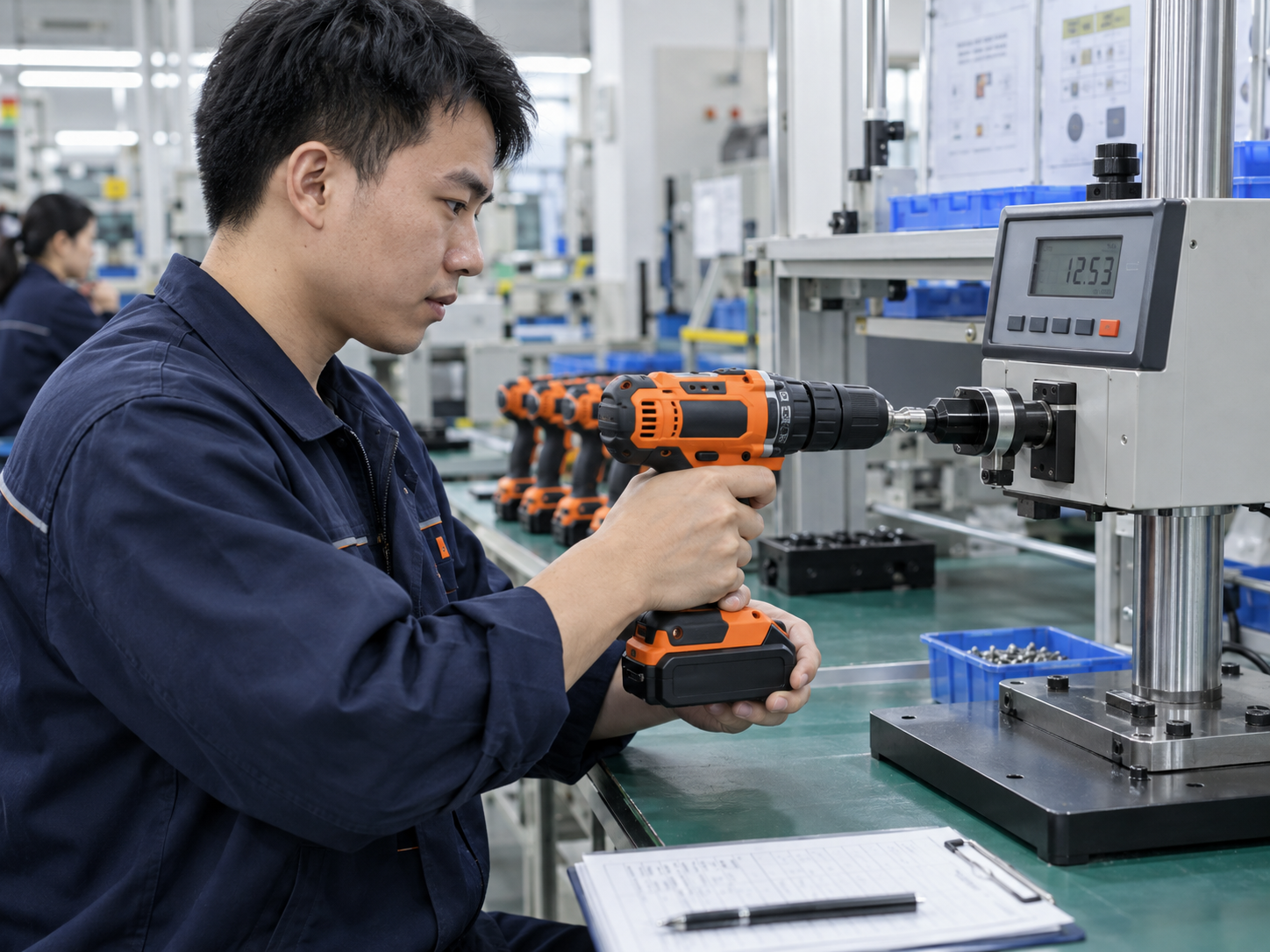
Caption: A model-specific approval record keeps brake and cutting-system claims traceable.
Images illustrate product and inspection topics; they are not documentary evidence of a specific ToolViron test or customer project. Confirm the exact model and market requirements before ordering.