
Woodworking and carpentry distributors
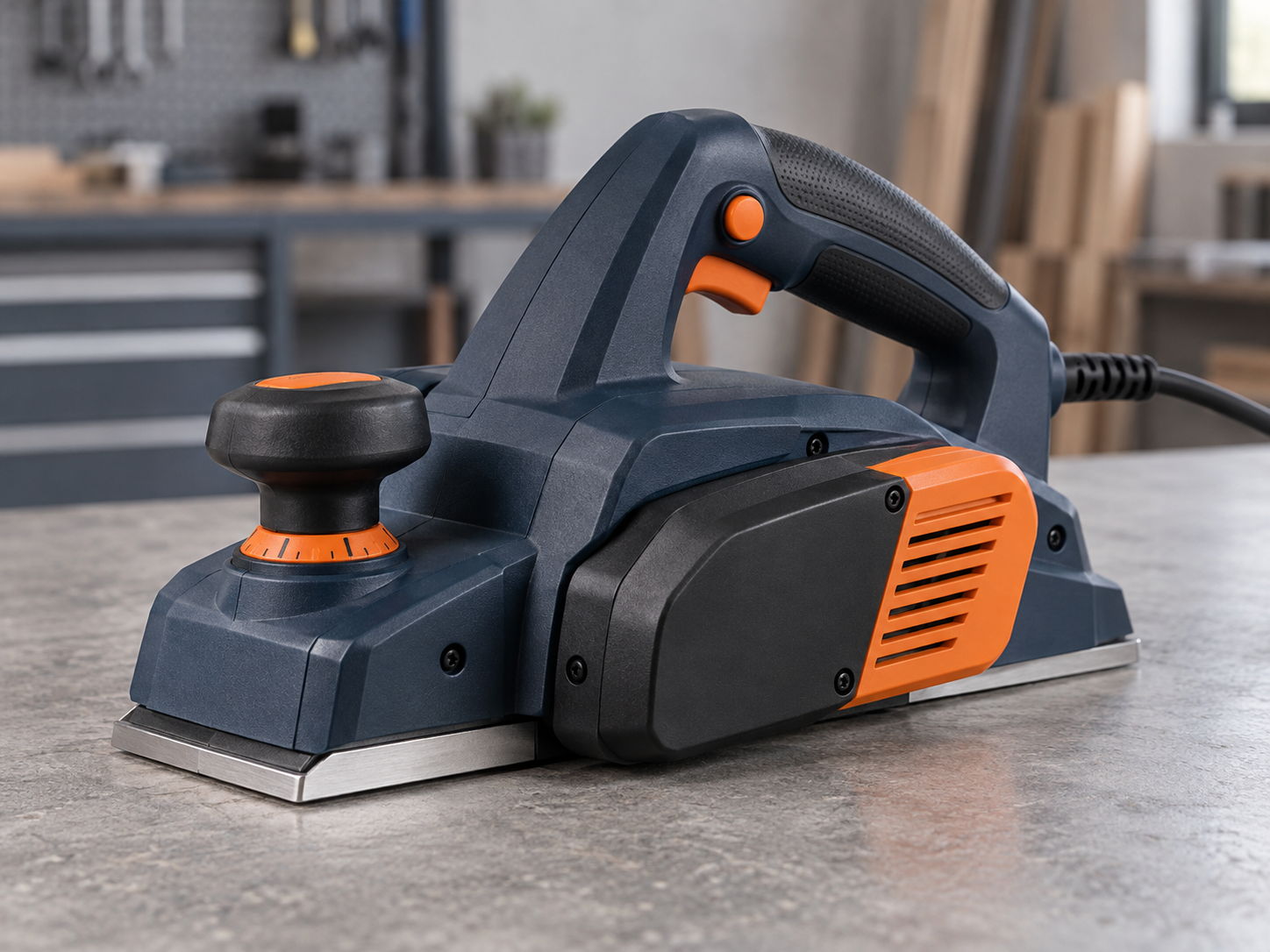
ELECTRIC PLANER MANUFACTURER
Specify electric planers around the finished surface.
Connect timber, task, cutting width, depth, sole, blade, fence, chip ejection and user setup with the product configuration and retail promise.
A planer is judged by the workpiece it leaves behind.
ToolViron helps woodworking distributors and private-label buyers define the task, model configuration, accessories, chip-management route, sample test and shipment criteria for a coherent planer offer.
WHO THIS PAGE IS FOR
Built around a real buying decision.
Fit-out and maintenance tool suppliers
Retail and private-label buyers planning electric planer ranges

PROGRAMME CONTROLS
Connect the commercial brief with production.
Application and finish
Define timber, workpiece dimensions, material removal, finish expectation, user skill and channel before comparing specifications.
Planer configuration
Review cutting width, depth control, sole, blade direction, fence, chamfer or rebate features and corded power setup.
Chip and accessory system
Plan chip-ejection direction, bag or extractor connection, blade and belt spares, fence, tools, manual and pack contents.
Controlled evaluation
Use prepared timber, recorded depth and feed, production-intent accessories and repeatable observations for sample approval.
A CONTROLLED ROUTE
From initial requirement to shipment preparation.
Share requirements
Tell us the product, application, destination market, expected quantity and commercial objective.
Confirm the configuration
Align the tool, accessories, labels, manual, packaging and evidence needed for the intended programme.
Review samples and production
Use production-intent samples and an agreed review plan before mass production is released.
Inspect and prepare shipment
Confirm the approved configuration, packing and selected shipment checks before dispatch.
FACTORY & QUALITY EVIDENCE
Separate tool condition from timber and setup variables.
Finish and dimensions can change with grain, moisture, blade condition, depth, sole reference, feed and workpiece support. Record those variables before assigning the cause to the tool.
- Defined timber, task and finish expectation
- Cutting width, depth and sole review
- Blade, fence and chip-management setup
- Cord, plug, labels and manual
- Pack contents and sole protection

BUYER FAQ
Questions to resolve before the order.
Can ToolViron support private-label electric planers?+
Private-label colour, product labels, manual, carton and included accessories can be discussed for the selected model and production programme.
Which specifications matter most for an electric planer?+
Start with the workpiece and task, then compare cutting width, controllable depth, sole reference, blade system, chip route, fence and support information.
How should a planer sample be tested?+
Prepare known timber, inspect blades and sole, record depth and setup, make controlled passes, measure the result and preserve photographs and observations.
What should be included in an RFQ?+
Provide the market, timber and task, cutting-width direction, desired features, chip-management and accessory needs, branding, quantity and timing.
PROJECT ENQUIRY
Describe the planing task and market.
Share timber, application, cutting-width direction, desired accessories, branding and estimated order quantity.
Direct emailinfo@ToolViron.com